
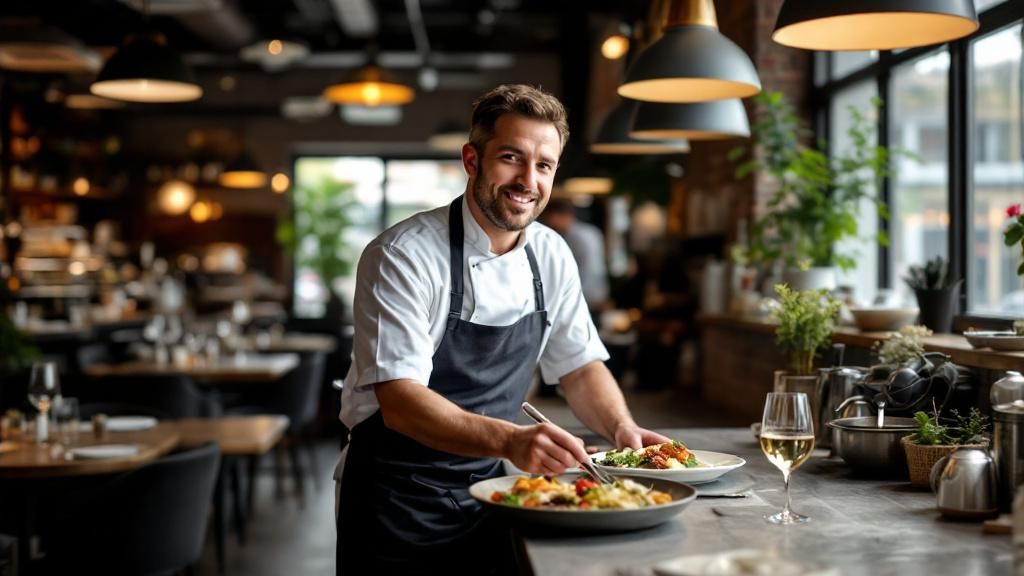
In a bold move that disrupts conventional eating habits, a celebrated culinary figure has unveiled an groundbreaking restaurant that focuses on environmental stewardship and community connection. This groundbreaking establishment rejects traditional distribution networks in pursuit of sustainable, locally-grown ingredients, whilst also building meaningful relationships with the wider area. Discover how this bold initiative merges gastronomic excellence with responsible methods, setting a compelling precedent for the dining sector and demonstrating that upmarket restaurants can succeed without sacrificing on conscience.
A Fresh Perspective for Fine Dining
The contemporary fine dining landscape has traditionally characterised by exclusion and separation from its sources of supply. However, this pioneering restaurant completely redefines what upscale dining can represent. By prioritising transparency and accountability throughout its operations, the establishment proves that culinary excellence and ethical responsibility are not contradictory pursuits. This significant transformation confronts traditional industry norms, proving that diners increasingly value learning the source of their meals and recognising the full effect of their food selections.
Instead of adhering to the conventional approach of haute cuisine, this venture embraces a philosophy that celebrates local suppliers and seasonal availability. The chef’s commitment to sustainable practices extends beyond the kitchen, covering everything from minimising waste to reducing energy consumption. This holistic approach appeals strongly to modern diners who desire authentic encounters aligned with their values. By combining gastronomic innovation with environmental stewardship, the restaurant establishes a persuasive model for how the hospitality sector might evolve, proving that ethical values and gastronomic skill can flourish in harmonious partnership.
Purchasing from Regional Producers
The restaurant’s focus on sustainability begins with its thoughtfully assembled network of neighbourhood food sources and craft food producers. Rather than depending on standard distribution channels, the venue has built strong partnerships with regional agricultural producers, fish suppliers, and craft food manufacturers. This strategy not only guarantees exceptional ingredient quality and vitality, but also substantially decreases the carbon footprint associated with long-distance transportation. By championing regional producers, the restaurant ensures that every dish embodies the true flavours and seasonal nature of the neighbourhood area.
These working partnerships go well past mere commercial transactions. The chef regularly visits supplier sites to grasp production methods, discuss sustainability practices, and provide constructive feedback. This openness fosters mutual respect and allows producers to gain acknowledgment for their efforts. Furthermore, the restaurant showcases changing dishes that highlight seasonal availability, educating diners about the natural rhythms of local agriculture. Such practices strengthen community bonds whilst showing that culinary excellence and ecological responsibility are fully aligned objectives within the modern hospitality sector.
People at the Heart of the Restaurant
The restaurant’s commitment to neighbourhood participation goes well past merely providing exceptional meals. Chef and proprietor have intentionally created the space to operate as a authentic local gathering place, organising frequent gatherings that highlight neighbourhood creativity and build genuine relationships amongst patrons. From food preparation events showcasing local suppliers to joint meal events with local organisations, the venue actively cultivates an welcoming environment where guests experience authentic belonging and respected as part of an broader group.
Educational programmes form a pillar of the restaurant’s community-oriented philosophy. The venue frequently provides workshops covering environmentally responsible culinary practices, knowledge of nutrition, and environmental responsibility to local residents of all ages and backgrounds. By broadening access to cooking expertise and enabling people to make conscious dietary choices, the restaurant moves past its business role and serves as a driver of constructive changes in behaviour throughout the surrounding area, inspiring sustained shifts in how groups approach dietary practices.
Furthermore, the establishment develops robust partnerships with local charities, community food services, and social enterprises, ensuring surplus ingredients benefit vulnerable populations. Staff members are strongly supported to volunteer across the community, whilst a percentage of profits directly supports neighbourhood projects and sustainability projects. This multifaceted approach demonstrates that restaurants can run successfully whilst meaningfully contributing societal wellbeing and ecological sustainability simultaneously.
